


In short
- Minnesota lawmakers are considering a total ban on crypto ATMs.
- The state adopted a regulatory framework for the machines in 2024.
- Countries such as New Zealand have recently imposed far-reaching bans.
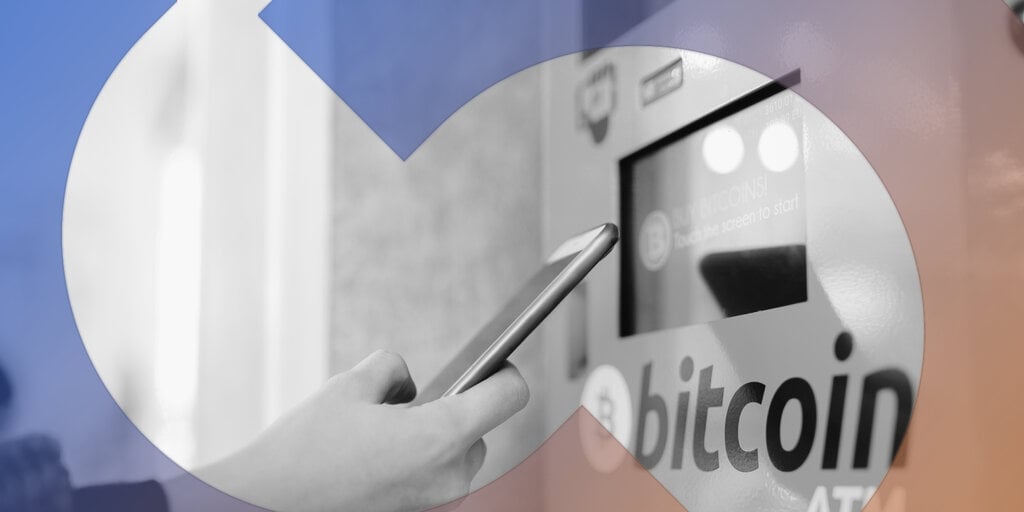
Minnesota lawmakers are considering a total ban on crypto ATMs, with legislation introduced earlier this week in response to a growing number of scams targeting the elderly.
Introduced on Monday by Rep. Erin Koegel, who co-chairs the state’s House Finance and Policy Committee, HF3642 would effectively ban all physical machines in Minnesota that allow users to purchase cryptocurrencies with cash.
The legislation marks renewed efforts to address risks associated with crypto ATMs, following a state framework passed in 2024 that imposed a $2,000 daily transaction limit for new customers, redemption requirements and a licensing framework for operators.
While several states have implemented pauses or strict local bans on cryptocurrency ATMs, Minnesota’s measure would likely be the first of its kind in the country. It would mirror far-reaching bans recorded in several countries, such as New Zealand last year.
Law enforcement officials testified at a hearing Thursday that older Minnesotans continue to lose tens of thousands of dollars to scammers, who direct victims to send them crypto under false pretenses, often while posing as government or tech support.
At the hearing a local detective remembered how a resident feared she would become homeless after sending Bitcoin to a scammer 10 times in six months. The official said she lost 50% of her monthly income until one day she was found disheveled at a gas station and required government assistance “due to her dire circumstances.”
There are approximately 430 crypto ATMs in Minnesota, clustered according to the state’s most populous city, Minneapolis. Coin ATM radar. According to the FBI, victims across the country reported $333 million in losses tied to crypto ATMs last year.
CoinFlip General Counsel Larry Lipka said during the hearing that the ATM operator is aware of the prevalence of scams using its machine, but that scammers have multiple tools at their disposal.
In one letter submitted to the committee, the police chief of a Minnesota city wrote that “law enforcement agencies have an extremely limited ability to recover funds once they are transferred,” which is one of many challenges from a public safety perspective.
Representative Keith Allen noted during the hearing that millions of dollars were likely diverted from rural communities that “could have done a lot of good.”
As lawmakers in Minnesota consider a total ban on crypto ATMs, prosecutors in other areas are calling for restrictions against associated companies, including Bitcoin Depot.
Earlier this week, the largest Bitcoin ATM operator in North America spotted that it would require customers to provide personal identification every time they make a transaction. The move represented a voluntary effort to refine compliance procedures.
That decision followed a lawsuit filed earlier this month by Massachusetts Attorney General Andrea Campbell alleging that Bitcoin Depot knowingly facilitated crypto scams while “removing safeguards against fraud and misleading investors to line their own pockets.”
Bitcoin Depot has resisted this claim ICIJwith a spokesperson recently claiming that the company is built around compliance and consumer protection. The company continues to work with law enforcement to combat illegal activities, she added.
Daily debriefing Newsletter
Start every day with today’s top news stories, plus original articles, a podcast, videos and more.