


In short
- Minnesota became the first state to ban prediction markets, making it a crime to operate or advertise such platforms.
- Hours later, the CFTC and DOJ sued the state, arguing that the ban would illegally interfere with federal authority.
- The clash is the latest escalation in a broader battle between states and the Trump administration over regulation of the prediction market.
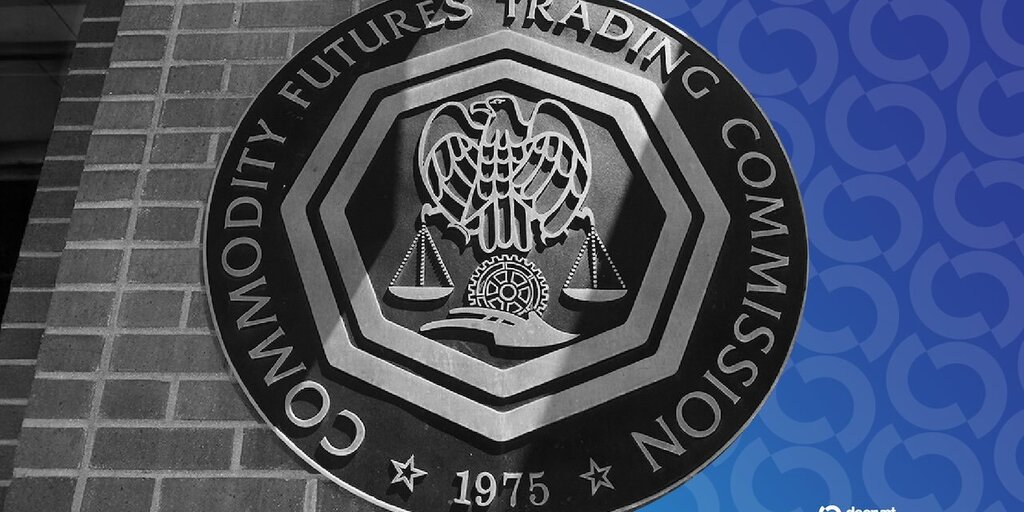
This week, Minnesota became the first state in the country to ban prediction markets — and hours later, the Commodity Futures Trading Commission and the Department of Justice sued the state over the ban, claiming it was illegal.
The sudden turn of events marks the latest escalation in an all-out jurisdictional war between states and the Trump administration over the fate of prediction markets platforms like Kalshi and Polymarket.
Numerous states across the country, red And blue have sued prediction market platforms for refusing to comply with state-level gambling laws. The states argue that market prediction betting related to sports – or in some cases even politics and entertainment – constitutes illegal, unlicensed gambling.
The prediction market platforms themselves, meanwhile, have argued that they are immune from state-level regulation – and that their betting, as event contracts, falls under the exclusive, federal jurisdiction of the CFTC. The Trump administration has aggressively embraced this view and taken countermeasures several states this year on the issue.
The conflict will likely ultimately be settled by the U.S. Supreme Court.
On Monday, Minnesota became the first state to completely ban prediction market platforms. Gov. Tim Walz signed a treaty account into law making it a criminal offense to create, operate, manage or advertise prediction market platforms in the state.
Within hours, the CFTC filed a request court casealong with the Justice Department, alleging that Minnesota leaders violated federal law and infringed on the regulator’s jurisdiction by instituting the ban.
“If Minnesota’s law is allowed to go into effect, the exchanges that offer it long-term contracts – and those who work with them – can be prosecuted criminals,” the complaint reads. “This egregious and unprecedented infringement of the Commission’s exclusive regulatory sphere must be provisionally and permanently enjoined.”
In a statement, CFTC Chairman Mike Selig claimed that by signing the ban into law, Walz “chose to put special interests first and American farmers and innovators last.” Selig highlighted the extent to which farmers, a key constituency in Minnesota, rely on event contracts to hedge against weather and crop-related risks.
But farmers have relied on such CFTC-regulated futures contracts for decades, which has never sparked controversy among state gambling regulators.
It is only in the past eighteen months that new prediction market platforms have introduced bets on sporting events, ongoing military conflicts, the existence of aliens and the frequency of celebrity social media posts, among other things – and it is these bets that have drawn the ire of state regulators.
Daily debriefing Newsletter
Start every day with today’s top news stories, plus original articles, a podcast, videos and more.