


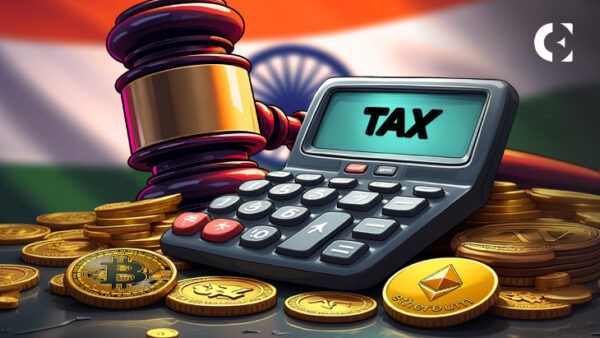
What India’s Current Crypto Tax Regime Actually Costs Traders
Currently, crypto trading is expensive for Indians due to the tax policies. The 30% tax reduces the amount traders can keep from their profits. At the same time, the 1% TDS is an additional tax burden. Traders also cannot offset their crypto losses against profits, which can increase their overall tax burden.
Why 1% TDS May Matter More Than the 30% Tax Rate for Active Traders
It is important to note that the 1% TDS is not something to ignore. It could be a bigger concern for Indian traders. This crypto tax is deducted from eligible transactions. Thus, traders may get less capital every time they buy or sell crypto.
These TDS rules are especially significant for traders who make frequent transactions. Even when they make small profits, the repeated TDS could result in significant deductions. Although the deducted amount can be claimed as a tax credit, traders still have to deal with the immediate impact on their cash flow.
The Offshore Trading Problem: What Tax Friction Changes
Importantly, India’s crypto tax rules could influence the platforms traders use for digital asset transfers. Some users may actively choose an offshore crypto platform that has a different tax structure. This could help them reduce some of the trading costs associated with India’s high crypto tax burden, although Indian tax obligations may still apply.
However, it should be understood that offshore platforms will not remove an Indian user’s tax obligations. They must still comply with the country’s crypto tax rules. But offshore exchanges would give them more flexibility.
Could Tax Relief Bring Trading Volume Back to Indian Platforms?
Interestingly, any change in India’s crypto tax rules could make domestic platforms more attractive. If the government lowers the 1% TDS or reduces the 30% gains tax, it could allow traders to put more capital to reinvest. This could also encourage traders to make frequent trades, potentially increasing trading activity in India.
However, the impact of these changes, if any, would depend on their scale. A small change in crypto tax rates may not be enough to bring back users who already moved to offshore exchanges. Other factors like fees, liquidity, the number of available tokens, and ease of trading before choosing a platform.
What a Meaningful Reform Would Look Like
The government needs to bring a big change to the existing crypto tax rules if it is to become meaningful or have a bigger impact. The potential reduction in 1% TDS is one of the most crucial steps. It could give active traders more capital for future transactions.
Also, a major change in the 30% crypto tax could make a difference. If the rate is significantly lowered, traders would take more profits home. When the tax burden is lowered, more traders could enter the market.
What Indian Crypto Traders Should Watch After the Cabinet Meeting
Now, Indian traders are waiting for the upcoming Cabinet meeting for any indication of changes in the crypto tax policies. But at the same time, the meeting itself should not be treated as a confirmation of any tax change unless the government makes an official announcement.
People would closely watch any statements from the government, Finance Ministry updates, and changes to the VDA tax framework. Most importantly, traders will be watching to see if the government makes any change to the existing tax rules.
Related: ₹12 Lakh Salary, ₹12 Lakh Crypto Profit: Why India Taxes the Two So Differently