


The report cites research involving ten mining companies that found facilities curtailed electricity consumption between 5% and 31% of the time in response to grid conditions.
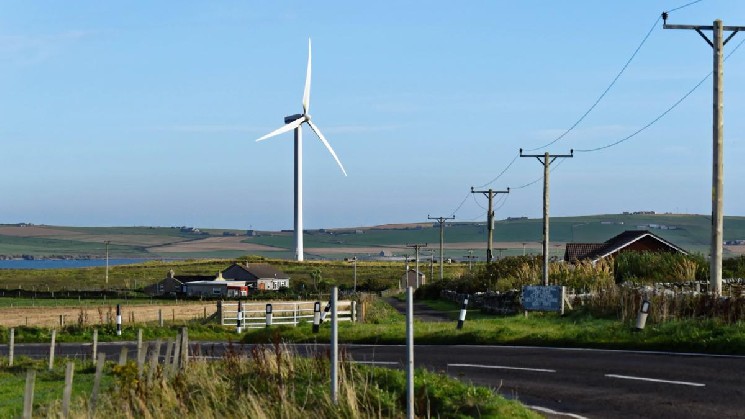
It recommends that the Department for Energy Security and Net Zero (DESNZ) and National Energy System Operator (NESO) assess whether mining facilities could be located behind transmission bottlenecks, particularly along the Scotland-England boundary.
However, the report acknowledges that the 1 billion pound-plus annual constraint bill does not represent the amount bitcoin mining could save. Any proposed projects would require modeling of actual consumer savings, emissions and infrastructure costs.
Britain’s bitcoin competitivness
The energy proposal forms part of a broader assessment arguing that Britain has established strong legal foundations for bitcoin but risks undermining its competitiveness through inconsistent regulation.
Britain’s banking restrictions, investment rules and tax policies are undermining its opportunity to become a global bitcoin hub, according to the report.
The report argues that the U.K.’s strong legal framework establishes important foundations, yet practical barriers remain as the country prepares to introduce its comprehensive cryptocurrency regulatory regime next October.
A particularly striking contradiction concerns retail investment products. The Financial Conduct Authority (FCA) lifted its ban on retail access to crypto exchange-traded note (ETNs) over a year ago, only for tax changes introduced in April this year to exclude purchases in Stocks and Shares ISAs, one of the most common investment accounts employed by retail investors.