


In short
- The OCC proposed rules that would restrict certain stablecoin rewards programs under the GENIUS Act.
- The language could impact Coinbase’s USDC rewards arrangement with Circle, some industry experts say.
- But the rules are changeable and not final, and others believe they won’t ban the best stablecoin rewards programs.
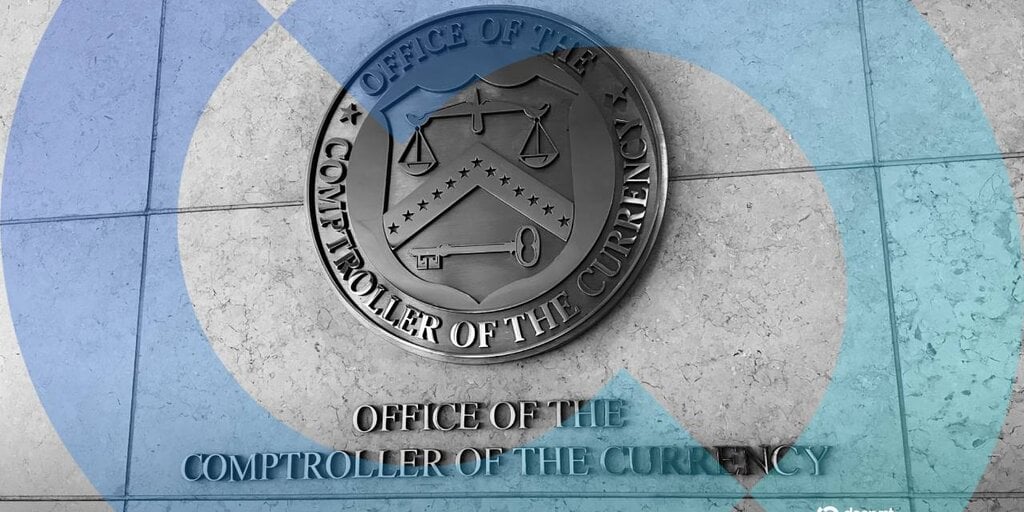
A key Treasury Department agency this week released interim rules detailing how it will implement the stablecoin-focused GENIUS Act. Industry experts are divided over whether the proposal could impact America’s premier stablecoin rewards program.
On Thursday, the Office of the Comptroller of the Monetary Fund, the nation’s top banking regulator, released a sweeping 376-page proposal regulations detailing how it plans to implement the GENIUS Act, which was signed into law by President Donald Trump last summer.
Among the proposed rules — which are subject to a 60-day public comment period — are several sections that ban certain types of stablecoin rewards. The prohibitions appear to prohibit certain arrangements between stablecoin issuers and third parties, in which the third parties pass proceeds to stablecoin holders in connection with their “possession, use or retention” of the tokens.
That doesn’t sound too far from the current agreement between USDC issuer Circle and Coinbase. Both companies share revenue from the returns generated on USDC reserves, and Coinbase currently offers users around 4% returns, essentially a kind of interest payment, on their USDC deposits.
Multiple crypto policy leaders said so Declutter they believe is the OCC’s proposed language could had an impact on Coinbase’s current USDC rewards program, but highlighted the complexity of the proposed rule and the possibility that it could be worked around.
One of the policy leaders said that Coinbase will likely always have to adjust its USDC rewards program at least somewhat after the implementation of the GENIUS Act. Coinbase did not immediately respond Declutter‘s request for comment on this story.
Last year, Coinbase reported $1.3 billion in stablecoin revenue. The company cited its USDC rewards program as the main growth driver in 2025.
Some crypto executives have denounced the OCC’s proposed regulations. eight it’s regressive.
Scott Johnsson, a financial lawyer and crypto-focused venture capitalist, told us Declutter he thinks the language will “most likely” impact Coinbase’s USDC rewards program. But he also expects the rule to be challenged and changed.
But others have chosen a different tune. Circle’s head of global policy, specifically: praised the OCC on the proposed regulations – a sentiment echoed by Circle CEO Jeremy Allaire.
“This is all part of accelerating American leadership in transforming the economic and financial system and rebuilding it through the internet,” Allaire said.
Perhaps this underlines the possibility that Coinbase and Circle won’t have to worry too much about the proposed rules, a banking industry source said Declutter that the OCC’s announcement does not provide them with much comfort. The banking lobby has been pushing for months to limit stablecoin rewards, which it fears could draw customers away from traditional, low-interest bank accounts.
“It really doesn’t solve the problem,” the banking industry source said, referring to possible loopholes in the OCC’s proposed restrictions. The source emphasized that regulations “can always be changed.”
The banking industry would prefer to see restrictions on stablecoin yields permanently enshrined in law, the source said. For more than a month, bank and cryptocurrency representatives have been negotiating the issue of stablecoin yields as part of negotiations over the stalled crypto market structure law. The meetings, led by the White House, were aimed at reaching an agreement this weekend – but an agreement is unlikely to be reached so quickly. Declutter reported earlier Friday.
“This doesn’t settle the debate,” Todd Phillips, a law professor at Georgia State University who focused on banking regulation, said of the OCC’s proposed rules. “This will not satisfy the two warring sides.”
Daily debriefing Newsletter
Start every day with today’s top news stories, plus original articles, a podcast, videos and more.