


In short
- The Justice Department on Friday ended the criminal investigation into Federal Reserve Chairman Jerome Powell, clearing the way for Kevin Warsh’s confirmation vote.
- Senator Thom Tillis (R-NC) had blocked Warsh’s appointment pending the resolution of the investigation, calling the investigation “bogus.”
- Warsh disclosed stakes in multiple crypto projects during the confirmation process, including Solana and Polymarket.
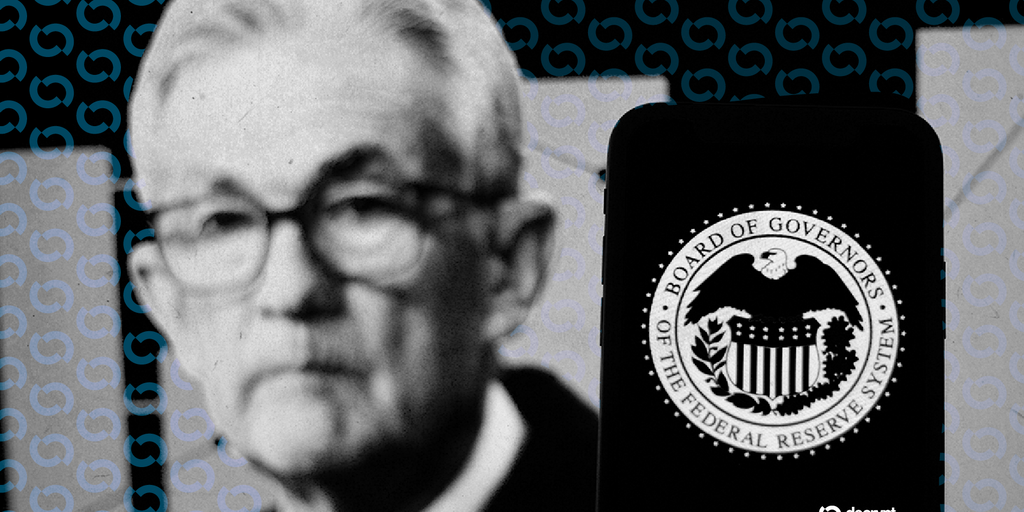
The Justice Department ended its criminal investigation into Federal Reserve Chairman Jerome Powell on Friday, clearing a key obstacle that had blocked Senate action on the nomination of Kevin Warsh as the central bank’s next leader.
The DOJ investigation focused on alleged cost overruns during a $2.5 billion renovation of the Fed’s headquarters in Washington. North Carolina Republican Thom Tillis, who serves on the Senate Banking Committee, had vowed to block any confirmation vote until investigators closed the case, calling the investigation a “bonus.”
“Tillis won,” said an unnamed Republican senator Politicswhich reported that the Banking Committee could vote on Warsh next week.
US Attorney Jeanine Pirro warned in one X message she would “not hesitate to resume a criminal investigation if the facts warrant it.” White House spokesman Kush Desai said this in an interview X message that the administration “remains confident” that the Senate “will quickly confirm Kevin Warsh as the next chairman of the Federal Reserve, finally restoring competence and confidence in Fed decision-making.”
The DOJ’s decision dramatically changed market predictions. Traders on Kalshi now the probability of Warsh’s confirmation before Powell’s May 15 departure is 84%, up from about 30% before Friday’s announcement. Polymarkt users estimate the chance of confirmation before May 15 at 77%, at the time of writing.
Warsh announced dozens of crypto startup holdings in his financial disclosures, including holdings in dYdX, Polymarket, Polychain Capital, Dapper Labs, Solana and Optimism. During his confirmation hearing, he told senators that “digital assets are already part of the fabric of our financial services industry in the United States,” while opposing any Federal Reserve-issued central bank digital currency (or CBDC, also known as a “digital dollar”) as “bad policy.”
Warsh, 56, served as Fed governor from 2006 to 2011 and previously served as special assistant to the president for economic policy. The Stanford professor’s appointment is sharply opposed by Senator Elizabeth Warren (D-MA), who called him a “sock puppet” for Trump during the proceedings of the Banking Committee.
Warren warned that “having a sock puppet in charge of the Fed would also give the president access to the Fed’s powerful authorities to enrich himself, his family, and his Wall Street friends.” She cited concerns about “dedicating special accounts to his family’s crypto business or bailouts to his friends on Wall Street if they get into trouble.”
The nominee has criticized the Fed’s monetary expansion during the pandemic as “the biggest policy mistake in 40 to 50 years.” Powell, who has defended the Fed’s independence in previous testimony, described the presidential criticism of interest rate decisions as “a result of the Federal Reserve setting interest rates based on our best estimate of what will benefit the public, rather than following the president’s preferences.”
Daily debriefing Newsletter
Start every day with today’s top news stories, plus original articles, a podcast, videos and more.